
How to Lose Weight When Overweight: 5 Joint-Friendly Daily Steps to Reset Your Metabolism
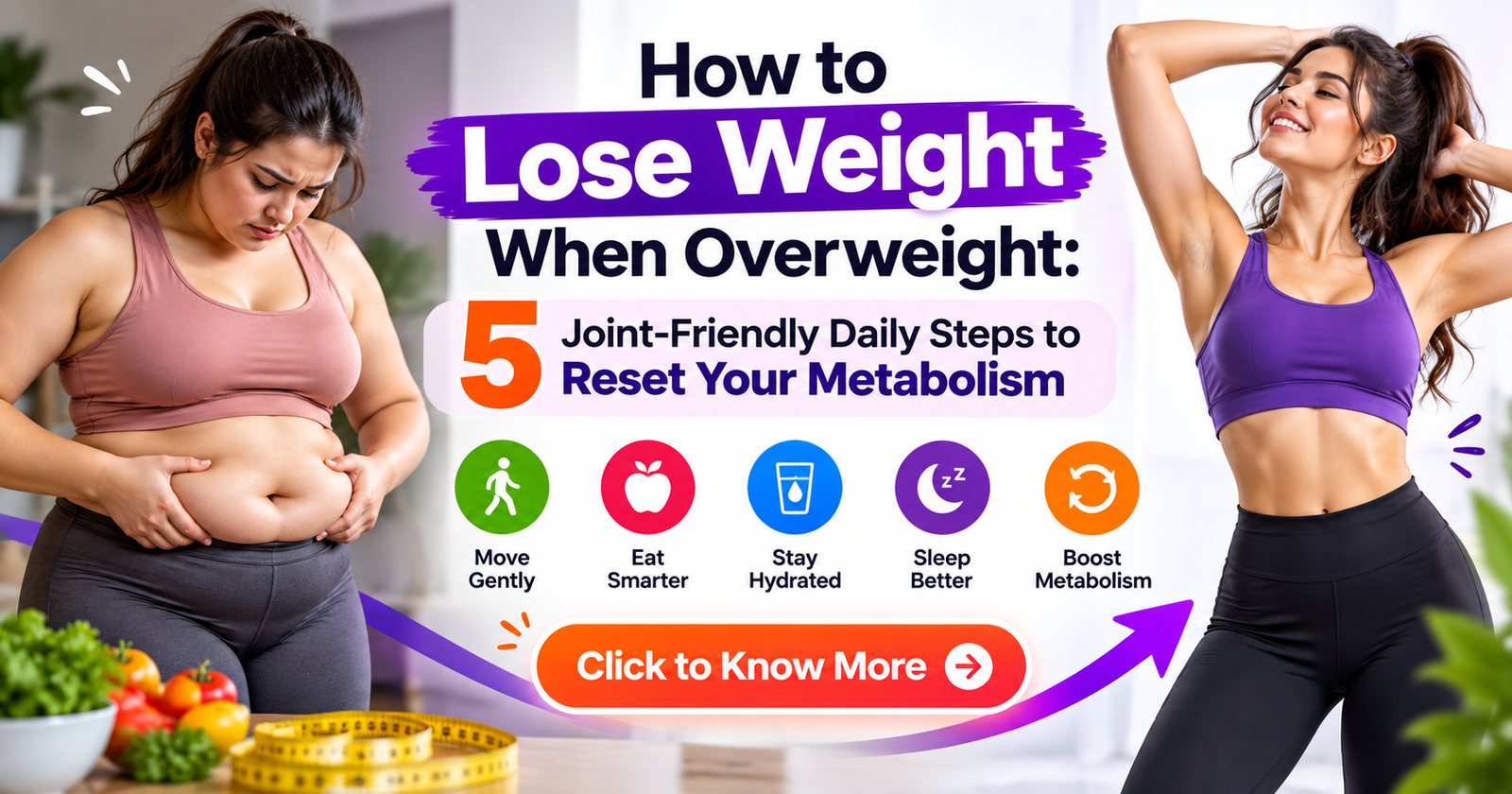
If you want to lose weight when overweight, standard fitness advice can feel like an impossible uphill battle. Fitness magazines urge you to run on treadmills, perform high-impact burpees, or survive on tiny salad bowls. For someone carrying 40, 60, or 100+ pounds of extra body weight, these aggressive regimens are not just exhausting—they cause severe knee pain, inflamed tendons, massive cortisol spikes, and debilitating hunger crashes that lead to immediate weight regain.
The truth that mainstream fitness culture ignores is simple: your body operates under different biomechanical and hormonal rules when carrying significant excess fat. Your joints bear up to four times your body weight in mechanical force with every step, and your cells often struggle with chronic insulin resistance and systemic inflammation.
You do not need punishing bootcamps or starvation diets to transform your health. By focusing on joint-protective movement, hormonal stabilization, and cellular metabolic support, you can safely lose weight when overweight while feeling energized and confident throughout the process.
Why Standard Gym Advice Fails People Carrying Significant Weight
- Extreme Joint Impact: Running exerts hundreds of pounds of pressure on knee cartilage with every stride, leading to early injury and forced bed rest.
- The Cortisol-Insulin Trap: Severe bootcamps elevate chronic stress hormones, locking down visceral belly fat and triggering intense evening cravings.
- Metabolic Down-Regulation: Starvation diets cause your thyroid to down-regulate active T3 hormone, making your metabolism slower than before.
5 Practical Steps to Lose Weight When Significantly Overweight
Step 1: Replace High-Impact Cardio with Low-Impact Movement
Do not run or jump. Instead, prioritize flat walking, recumbent stationary cycling, or pool swimming. These activities relieve spinal compression while burning steady calories without inflaming tendons.
Step 2: Sequence Every Meal to Flatten Insulin Spikes
Always eat non-starchy vegetables first, clean proteins second, and starches or carbohydrates last. This simple sequence slows gastric emptying, creating a gentle glucose curve and preventing fat-storing insulin spikes.
Step 3: Eliminate Liquid Sugar and Hidden Carbs
Sodas, fruit juices, and sweetened coffees flood the liver with rapid fructose, driving visceral belly fat storage. Transition to iced water with lemon, sparkling mineral water, or black coffee.
Step 4: Practice a 10-Minute Post-Meal Walk
A relaxed 10-minute stroll after your heaviest meal clears circulating glucose from your bloodstream via non-insulin pathways, directly preventing afternoon fatigue and fat storage.
Step 5: Support Cellular Mitochondria with Synergistic Nutrients
Nutrients such as Green Tea Catechins (EGCG) and L-Carnitine assist cellular mitochondria in transporting fatty acids to be oxidized for clean daily energy.
Weight Loss Strategy Comparison Matrix
| Factor | Aggressive Bootcamp Method | Joint-Friendly Metabolic Method |
|---|---|---|
| Exercise Type | Running, jumping, heavy HIIT | Flat walking, swimming, recumbent bike |
| Joint Strain | High knee, hip, and back pain | Zero to minimal impact on joints |
| Dietary Approach | Severe caloric starvation | Food sequencing & protein satiety |
| Long-Term Outcome | Injury, burnout & weight regain | Sustainable fat loss & mobility |
Exploring Targeted Nutritional & Metabolic Support
When you have a significant amount of weight to lose, everyday metabolic co-factors can provide valuable momentum while keeping your joints protected.
On KritanSkillX Offers, our editorial team verified top-rated, gentle wellness solutions that support your journey without requiring aggressive workouts:
- Morning Coffee Synergy: Explore the Java Burn Review on KritanSkillX Offers to learn how its tasteless blend of EGCG, L-Carnitine, and Chromium elevates fat oxidation naturally.
- Joint Comfort & Mobility: Read our Joint Genesis Review on KritanSkillX Offers to discover how restoring synovial fluid cushioning makes everyday walking pain-free.
- Cellular Resistance Support: Explore the MetaboSana Review on KritanSkillX Offers to see how Dr. Eric Wood's 3-phase botanical protocol reactivates dormant AMPK enzymes.
Frequently Asked Questions
Is walking really enough to lose weight when overweight?
Yes. Walking is one of the most effective fat-burning activities for higher-weight individuals. It burns predominantly stored fatty acids for fuel, preserves knee and hip cartilage, and does not trigger the ravenous hunger surges caused by intense cardio.
How much weight can I safely lose each week?
A safe and sustainable rate of fat loss is 1 to 2 pounds per week. While the first two weeks may show larger drops due to shedding water retention, a steady 1 to 2 pounds weekly protects muscle tissue and prevents metabolic rebound.
What should I do if walking hurts my knees or lower back?
If walking on pavement causes discomfort, transition immediately to water aerobics, pool swimming, or a recumbent stationary bike where your body weight is supported. Wearing properly fitted orthopedic walking shoes also absorbs significant ground impact.
Do I have to give up carbs completely to lose weight?
No. You do not need to eliminate carbohydrates entirely. By simply eating carbohydrates after your vegetables and protein during a meal, you slow down carbohydrate digestion and keep fat-storage insulin levels low.
Conclusion & Next Steps
Carrying extra weight does not mean you are broken, and you do not need to suffer through painful workouts to reclaim your body. By switching to low-impact daily movement, controlling your insulin curve with smart meal sequencing, and applying these science-backed steps to lose weight when overweight, you give your body the gentle, steady support it needs to thrive.
Ready to Start Your Weight Loss Journey Safely?
Explore verified clinical breakdowns, user results, and exclusive direct manufacturer discounts on our complete Weight Loss Category on KritanSkillX Offers or compare top formulas in our Compare & Review Hub.
Browse Verified Weight Loss Solutions →